

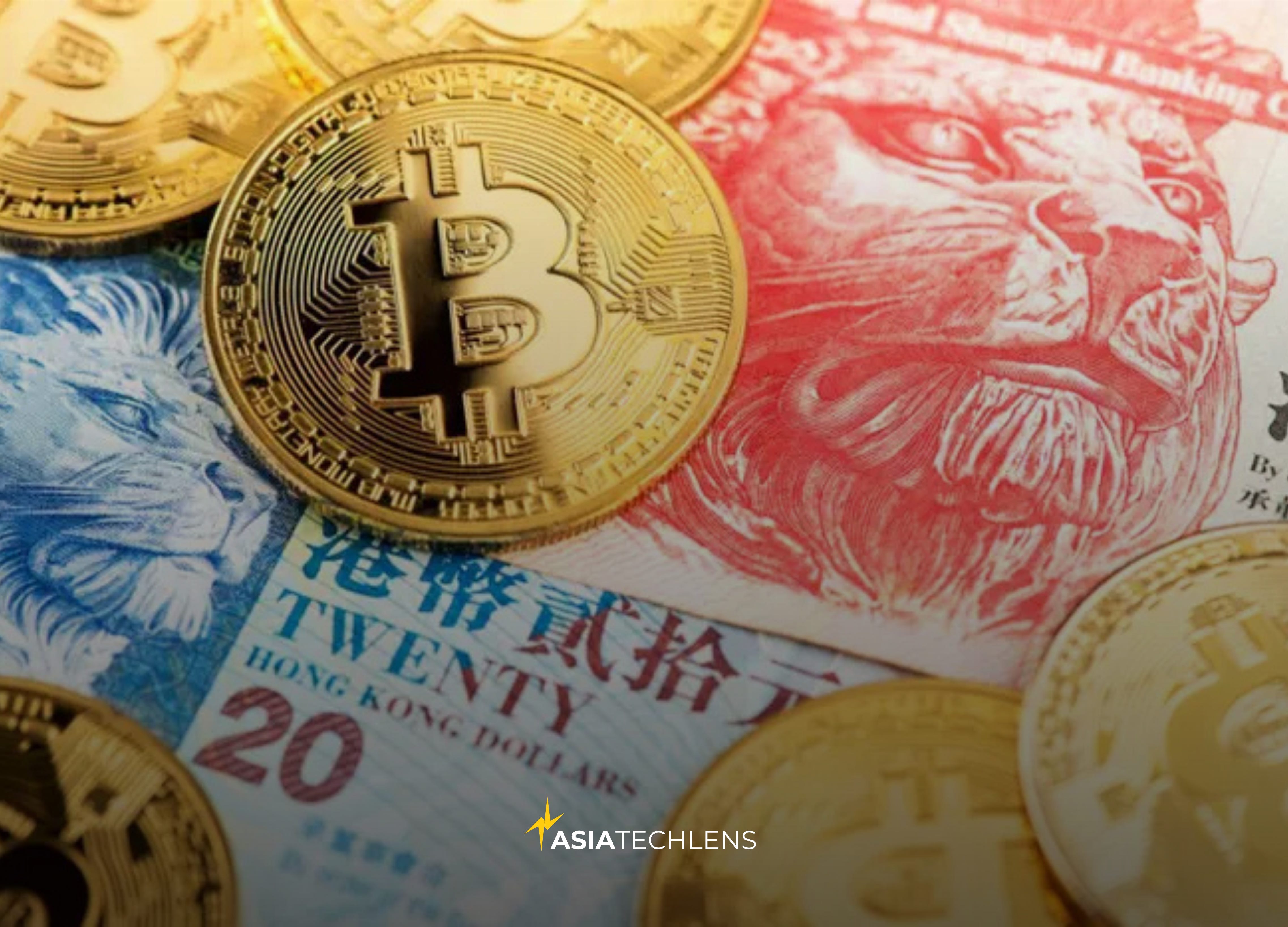
While headlines about Bitcoin and Ethereum have cooled, their “cousins,” stablecoins, are attracting new attention across Asia. Unlike speculative crypto, these are fiat-backed, regulated tokens designed for settlement. They behave like digital versions of existing money, not assets for trading.
What makes Asia’s shift distinctive is that the momentum is coming from banks, payment companies, and superapps—not crypto exchanges. These institutions want to know whether local-currency stablecoins can move money across borders faster and at lower cost, and whether they can evolve into genuine payment rails instead of niche trading instruments.
By 2026, these projects will either become part of the region’s financial core or remain small pilots on the edge of the system, constrained by technical, regulatory, and commercial hurdles.
Asia’s Big Swing: Local-Currency Stablecoins Take Shape
Across the region, a new class of stablecoins is emerging: locally denominated, fiat-backed tokens tested by banks and superapps, rolled out through sandbox pilots rather than open-market launches. They are built for payments and settlement, and they are not yet interoperable—siloed by borders and blockchains in ways USD stablecoins are not.
Still, taken together, these projects mark a shift toward institutional use rather than speculative upside.
Japan illustrates the trend. New rules allow licensed banks and trust companies to issue yen-pegged tokens under strict reserve and disclosure requirements, giving the country one of the first regulated JPY stablecoins.
Singapore has moved in a similar direction. Its dedicated framework for single-currency stablecoins clears a supervised lane for a small number of trusted issuers. StraitsX has launched an SGD-backed token and is piloting settlement use cases with partners such as Grab.
South Korea is now completing the picture. Major banks are testing won-linked stablecoins alongside platforms like KakaoBank—another signal that stablecoin experiments are increasingly led by mainstream financial institutions rather than crypto-native players.
Why Banks and Superapps Want In
Banks remain cautious about crypto’s volatility and compliance baggage, but stablecoins offer real advantages: instant, 24/7 settlement; cheaper cross-border transfers; and a way to bypass the delays of correspondent banking networks.
An IMF study estimated global stablecoin flows at roughly US$2 trillion in 2024, with APAC and North America leading. That suggests meaningful liquidity is already forming.
Regulatory clarity is also accelerating adoption. “The real drivers of stablecoin adoption are growing regulatory clarity and the natural, organic liquidity, both primary and secondary, that the stablecoin market has developed,” said Amy Zhang, Head of APAC at Fireblocks.
Traditional finance is paying attention. At Hong Kong FinTech Week, Standard Chartered CEO Bill Winters argued that all money will eventually settle on blockchains. In his view, the real competition is over settlement infrastructure—not trading.
Superapps add another powerful incentive. In markets like South Korea, Japan, and Southeast Asia, platforms such as Naver, Kakao, and Grab already sit at the center of daily payments. Stablecoins could cut FX costs, enable instant cross-border transfers, and keep users inside their financial ecosystem. Settlement is becoming a new battleground for customer retention.
There is also urgency. If banks and platforms do not build local-currency stablecoins, USD tokens like USDT and USDC will continue to dominate digital payments, shifting more activity—and influence—outside domestic financial systems. For many institutions and regulators, keeping flows, data, and monetary leverage onshore is a strategic priority.
The Asia Stablecoin Alliance (ASA) argues that programmable, local-currency stablecoins could eventually anchor broader financial features inside superapps, though this remains a longer-term horizon.
Tighter Rules, Tougher Bar
Across Asia, stablecoin rulebooks are encouraging more established players to enter the market—but they also show how difficult it will be to operate these tokens safely. The differences across regulatory regimes matter.
Singapore has created a tightly supervised lane for single-currency stablecoins, signaling that only a small number of trusted issuers will be allowed to scale. Hong Kong’s new ordinance is more expansive, bringing issuance and even marketing under a licensing regime, though its rollout remains politically sensitive.
Japan sits at the conservative end: bank-issued stablecoins backed by strict reserve and disclosure requirements. The result is high trust but slow, measured deployment. The Philippines has taken the most consumer-facing approach, allowing early peso-linked projects for remittances and merchant payments while its regulatory framework continues to develop.
Regulation sets the structure, but for banks and superapps, the trade-offs and operational demands will ultimately determine viability.
Issuing or supporting a stablecoin adds operational and reputational exposure, where technical failure could impact a regulated institution far more than a crypto-native firm. Running a token that settles around the clock also demands new liquidity, compliance, and treasury systems that many institutions are still building.
This is why most pilots remain small and narrowly defined, even as regulators signal space for broader use.
Looking to 2026: Testbed or Detour?
Asia’s stablecoin pilots have gained momentum, but the next two years will matter far more than the last five.
By 2026, the region faces a clear split: these projects could mature into a functional “stablecoin stack” connecting banks, issuers, and superapps across borders—or they could stall as a fragmented mix of isolated experiments.
Both paths are already visible.
Citi Research expects Hong Kong’s first licensed fiat-referenced stablecoins to arrive early next year and believes they could help catalyze non-USD stablecoin adoption—especially if banks and e-commerce platforms plug into the same regulated rails.
Dermot McGrath of Ryze Labs describes the region as “moving from policy to design to controlled rollouts,” with Japan steady and bank-led, Singapore narrowing around trusted issuers, and Hong Kong navigating political constraints. Together, these models suggest Asia is cautiously assembling the foundations of a regional testbed for regulated digital money.
But fragmentation remains a real risk. Forrester warns that many local stablecoin projects in APAC may struggle to scale due to diverging rules, incompatible blockchains, and differing business models. If that happens, USD stablecoins will remain the default digital cash for remittances, e-commerce, and cross-border trade, leaving local-currency tokens sidelined.
And that brings the geopolitical stakes into focus.
Success would position Asia as the proving ground for non-USD digital money and give banks and superapps a larger role in shaping future payment infrastructure. Failure would leave the region with a series of expensive pilots while daily transactions continue to run on dollar rails it does not control.
For a deeper dive into the settlement bottlenecks driving stablecoin adoption, our recent conversation with Eric Barbier (Triple-A) breaks down why the same cross-border payment frictions keep resurfacing — and why 24/7, asset-backed digital money is becoming increasingly attractive to banks, merchants, and platforms.
