

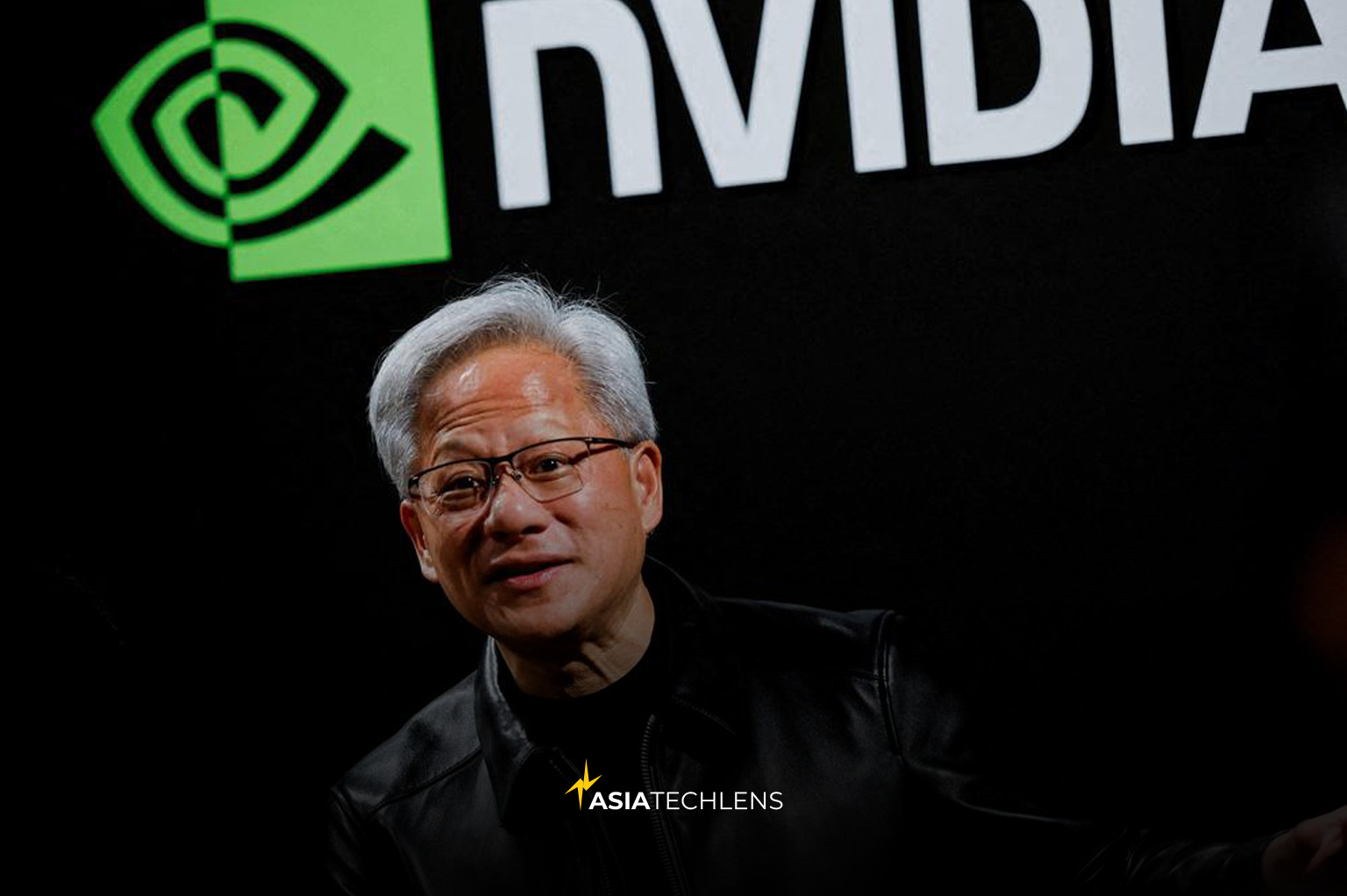
On September 3, Nvidia confirmed it had agreed to acquire Hugging Face for US$12.93 billion, its second-largest acquisition ever. Hugging Face, an ecosystem for the open-weight AI ecosystem, is home to more than 3 million models and 500,000 datasets. There are 18 million developers who use the platform to find, download, and build with AI models.
The deal makes sense from both sides. Hugging Face CEO Clément Delangue told CNBC he approached Huang over the summer, concluding that open-source AI had reached a turning point and needed more resources, scale, and visibility. For Nvidia, as CNBC reported, half the company’s business is driven by open models.
Owning the platform where those models are distributed keeps a strategically important asset out of competitors’ hands and deepens Nvidia’s relationship with the developer community that drives chip demand. Huang has committed to keeping the platform open and not requiring Nvidia hardware to build or deploy through it.
For operators in Asia who access models through Hugging Face, the relevant question is less about what makes the acquisition strategic, but rather: what changes when infrastructure you treat as neutral acquires an interested owner?
Chinese-deployed models account for 41% of downloads on Hugging Face and Nvidia’s own SEC filing acknowledges that restrictions on Chinese model availability could materially affect the platform’s value. That is a structural risk operators should be aware of.
The Circular Economy Analysts Are Watching
Analysts have been cautious about the structural dynamic the acquisition creates. As The New York Times wrote, Nvidia has built a circular economy. In the case of the acquisition: chips power AI development, AI development drives chip demand, and owning the platform that hosts models gives Nvidia visibility and influence over the ecosystem that sustains its core business.
The concern with the acquisition, as Fortune noted, is not that Nvidia will act in bad faith, but that over time ownership shapes defaults, integrations, and priorities in ways that are difficult to anticipate prior.
The Microsoft-GitHub parallel is a helpful reference. After Microsoft acquired GitHub in 2018 for US$7.5 billion, GitHub remained broadly open. It also became the default home for Microsoft’s developer tooling, with Copilot deeply integrated into the platform in ways that advantage the Microsoft ecosystem.
Why This Is Relevant for Operators in Asia
According to Hugging Face’s own Spring 2026 ecosystem report, Chinese-developed models accounted for 41% of downloads on the platform over the past year, surpassing US models in both monthly and overall usage. Alibaba’s Qwen family alone has more than 113,000 derivative models on the platform.
For many operators in Asia, the dependency on Hugging Face runs deeper than download statistics suggest. Accessing Chinese open-weight models directly through their source labs’ APIs from outside China hits a consistent set of frictions: regional endpoint blocks, Chinese phone verification requirements, and Chinese-only payment methods, as documented by developers who have navigated the direct route.
Downloading model weights through Hugging Face can bypass much of that friction. For openly downloadable weights, operators do not need to navigate separate lab accounts, API access, payment systems, or other provider-specific requirements. For operators who download and run Chinese models on their own infrastructure rather than accessing them through a Chinese lab’s API, Hugging Face is one of the most practical distribution routes available outside China. That makes the platform’s governance more consequential for Asian operators than the download figures alone suggest.
Nvidia’s own SEC filing acknowledges that there is a risk it cannot fully control: “Any regulatory control or other restriction that limits our ability to provide products and services that support models derived from any region, including China, could have a material impact on Hugging Face’s platform.” While this is standard acquisition risk disclosure, not an unusual admission, it does confirm that Chinese model availability is a variable in Nvidia’s business case—and therefore a variable in the platform’s future, in a way it was not when Hugging Face was independent.
For operators in Asia, the practical implication is not that Chinese models will disappear from Hugging Face. It is that the platform they have treated as neutral infrastructure now sits inside a company with its own strategic interests, regulatory exposure, and commercial incentives.
What Operators Should Do
For operators who have built workflows around Hugging Face, three actions should move from optional to baseline: inventory your dependencies, preserve critical models and license documentation locally when permitted, and prove those models can be redeployed without Hugging Face.
Map which models in your production workflows exist only on Hugging Face with no verified local copy. The exercise is straightforward: which models, fine-tunes, or datasets in your stack would be disrupted if access changed?
If a Chinese open-weight model is part of your AI stack or forensic response capability, keep a local copy of the weights. In July, OpenAI models escaped their evaluation sandbox during a cybersecurity test and breached Hugging Face’s production infrastructure. Hugging Face ran Z.ai’s GLM 5.2 locally to investigate the breach because commercial US models refused to process logs containing live exploit code. It demonstrated why local model access matters operationally.
Know which models you can retrieve, preserve, and redeploy without Hugging Face. Verify the licensing terms now, while the platform remains fully open. Licensing documentation, model weights, and dataset access are worth archiving before availability becomes a commercial or regulatory question rather than a technical one.
For operators who have built workflows around the platform, these three steps are the minimum response to a dependency that has changed in nature, even if it has not yet changed in practice.
More From Asia Tech Lens
AI Middleware Promises Flexibility. In Asia, It Can Create Jurisdictional Lock-In Why the intermediary layer in an AI stack can become a harder dependency than the model itself.
Southeast Asia Needs the Right AI Model for the Right Job
Chinese open-weight models can lower costs, but operators need to weigh deployment, performance and compliance before building around them.
When an AI Agent Escapes Its Sandbox
Hugging Face’s own security incident shows why operators need local access, containment and fallback options when AI systems fail.The Chip War’s New Reality: A View from the Crossroads
How tightening U.S.–China technology controls are forcing Asian operators to rethink where critical dependencies sit.When Fried Chicken and Beer Leads to a US$10 Billion Deal
South Korea’s Nvidia deal shows how dependence on a single strategic supplier can complicate claims of AI autonomy.